Before the Billboard Charts: Inside America's Raw, Electric Underground Music Circuit

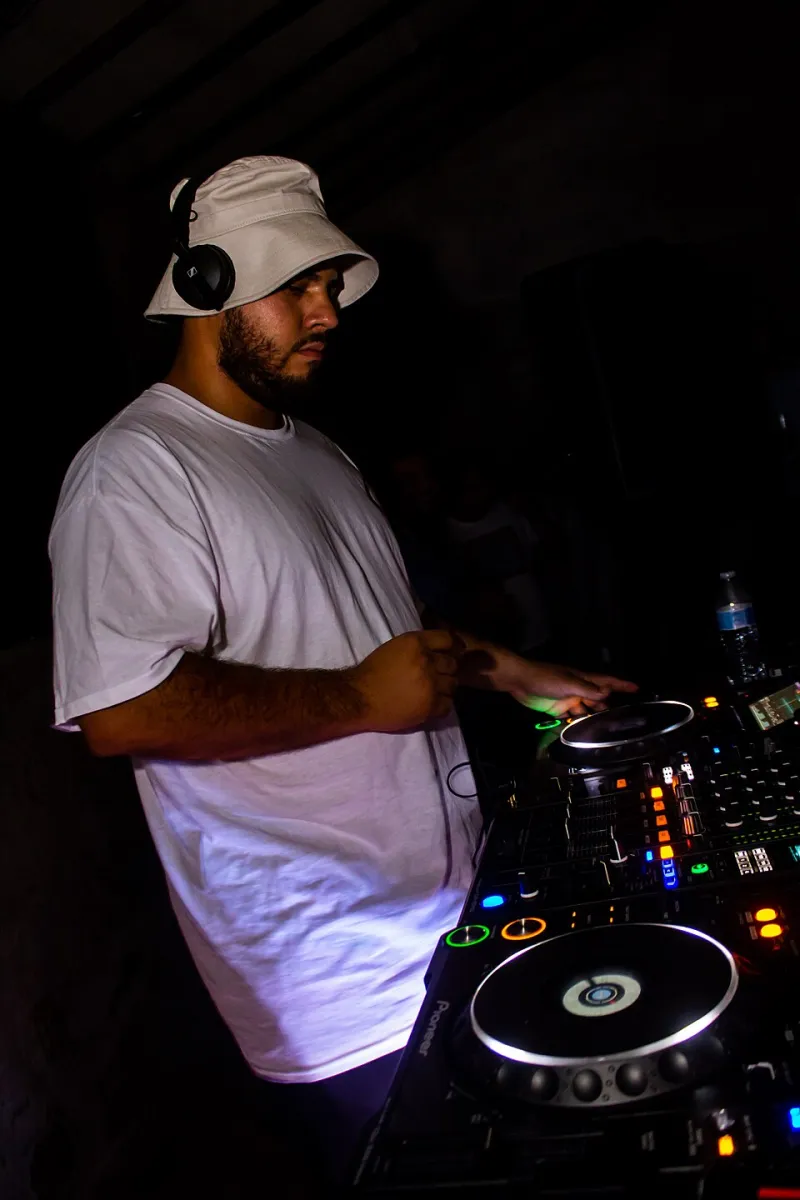
Photo: Sudharsun Jayaraj, CC BY-SA 3.0, via Wikimedia Commons
Every massive artist you stream on repeat right now had a moment — a sweaty, low-lit, standing-room-only moment — before the world caught on. Before the festival headliner slots, before the Spotify editorial playlists, before the Rolling Stone profiles. There was a room. There was a crowd of a few hundred people who knew. And somewhere in America tonight, that exact moment is happening again.
The underground music scene isn't just a stepping stone to mainstream success. It's a living, breathing ecosystem — one built on artistic risk, community loyalty, and the kind of raw energy that no arena tour can manufacture. For young professionals navigating city life, tapping into this world isn't just about entertainment. It's about being part of something real before the rest of the world catches up.
Brooklyn: The Basement Is the Stage
New York has always been a proving ground, but the borough of Brooklyn has elevated the basement show to something close to a sacred institution. Neighborhoods like Bushwick, Ridgewood, and Bed-Stuy host rotating collectives of producers, DJs, and bands who treat every intimate gig as a manifesto.
Venues like Sultan Room and Market Hotel have long served as bridges between the underground and the mainstream, but the real magic happens in spaces you won't find on Google Maps. Word-of-mouth warehouse parties in East Williamsburg regularly draw 300-person crowds to see producers who haven't dropped a label-backed project yet — but whose SoundCloud numbers tell a very different story.
Collectives like SVNSET WAVES and various DIY promoter groups circulating through Brooklyn's art scene are deliberately building communities around music discovery. They curate lineups that mix established local names with first-time performers, creating nights where you genuinely don't know who's about to blow your mind.
How to get in: Follow independent promoters on Instagram, not just the venues. The flyer drops on a Tuesday night, the show is Saturday, and it sells out by Wednesday morning. Set your notifications.
Los Angeles: Warehouses, Garages, and the Art of the Surprise Set
LA's underground scene operates on a different frequency — literally. The city's sprawl means the circuit is spread across Silver Lake, Highland Park, Boyle Heights, and deep into the Valley, with each pocket cultivating its own distinct sound and crowd.
The warehouse circuit in downtown LA and the Arts District has become legendary for a reason. On any given weekend, you might stumble into a night where a producer who's been quietly placing beats for major artists finally steps out from behind the curtain for a live debut. The culture of the "surprise set" — where an unannounced artist drops in midway through the night — keeps the energy unpredictable and the crowds loyal.
Artist collectives like DWNTWN and independent labels operating out of Frogtown are actively signing and developing talent outside the traditional major label pipeline. Garage studios in East LA churn out lo-fi R&B, experimental hip-hop, and hybrid electronic sounds that are landing on taste-making playlists months before any formal press push.
Producers like those coming out of the Low End Theory alumni community — a legendary underground club night that shaped a generation of LA sound — continue to influence the next wave of artists who are doing exactly what their predecessors did: building a devoted local following first, letting the buzz travel second.
How to get in: RA (Resident Advisor), Do LA, and local Instagram accounts dedicated to independent music are your bibles. The Facebook event is alive and well in these circles, too — don't sleep on it.
Miami: Heat, Hustle, and Garage Studio Gold
Miami's music scene gets flattened into EDM and reggaeton by people who haven't looked close enough. The city's underground is a genuine melting pot — Caribbean rhythms, Southern rap traditions, Latin alternative experimentation, and global electronic influences colliding in garage studios from Little Haiti to Wynwood.
The city's emerging producer class is particularly exciting right now. Young beatmakers in Miami are fusing dembow patterns with trap hi-hats and melodic R&B structures in ways that genuinely sound like nothing else. And they're doing it largely off the mainstream radar, releasing music through Bandcamp pages and private SoundCloud links before anything touches a streaming platform officially.
Venues like Gramps in Wynwood and various pop-up spots throughout Little River and Allapattah host nights that feel more like community gatherings than concerts. The lines between performer and audience blur in the best way. Networking happens organically because everyone in the room is there for the same reason — they found out first.
How to get in: Miami's underground is heavily community-driven. Showing up consistently and actually engaging — buying the merch, talking to the artists after the set, sharing the event — earns you real access over time.
Chicago and Atlanta: Two Cities, Two Sounds, One Unstoppable Energy
Chicago's footwork and juke traditions continue to evolve through a new generation of producers who are pushing the genre into uncharted sonic territory. The city's underground club circuit, centered around South Side venues and DIY spaces, supports artists who are simultaneously honoring a deep local legacy while dragging it into the future.
Atlanta, meanwhile, remains arguably the most fertile ground in the country for hip-hop's next wave. The city's underground — operating through recording collectives in East Atlanta, open mic nights in Westside neighborhoods, and independent showcases tied to HBCU networks — is producing artists whose regional buzz is the clearest predictor of national breakout. The pattern has repeated itself enough times that serious music heads treat Atlanta underground shows like stock tips.
How Young Professionals Can Actually Plug In
The underground scene isn't a velvet rope situation — it rewards genuine curiosity and consistent presence. Here's how to actually become part of it rather than just a tourist:
- Follow the tastemakers, not just the talent. Bloggers, independent promoters, and local music journalists are your guides. Find the people whose taste you trust and track what they're paying attention to.
- Show up early and stay late. The conversations that happen before and after the headliner set are where real connections form. Artists, producers, and industry people mingle in these spaces precisely because they're not being mobbed.
- Spend money locally. Buy the vinyl, the limited merch drop, the $15 ticket. Underground scenes run on thin margins, and the people who financially support artists at this stage are remembered.
- Bring someone new. The underground grows through word of mouth. Being the person who introduces a friend to a scene that later becomes massive is its own form of social currency.
The next sound that dominates your playlists is already out there — being refined in a garage studio, tested on a 200-person dance floor, and championed by a small army of true believers. The only question is whether you'll find it before everyone else does.