The Velvet Rope Is Gone: How Open Access Is Rewriting the Rules of City Culture
Not long ago, making it in the music scene meant convincing the right A&R rep you were worth a meeting. Breaking into nightlife culture meant getting blessed by the right promoter. Getting your art seen meant knowing someone at the right gallery or magazine. The gatekeepers were real, they were powerful, and they controlled the entire flow of who rose and who stayed invisible.
That system isn't dead — but it's hemorrhaging. And the city is still figuring out what comes next.
The Architecture of the Old Order
To understand how seismic this shift is, you have to appreciate how locked-down the old model was. Major labels controlled radio play, which controlled cultural exposure, which controlled who got to build a real fanbase. Club promoters decided which artists performed for real audiences. Critics at legacy publications decided which sounds were legitimate and which were dismissed. The whole ecosystem ran on a small number of chokepoints, and the people sitting at those chokepoints had enormous leverage.
For outsiders — which meant most people, and disproportionately artists from communities that had historically been marginalized — the barrier to entry wasn't just high. It was designed to stay that way.
Then the internet kept happening.
Distribution Without Permission
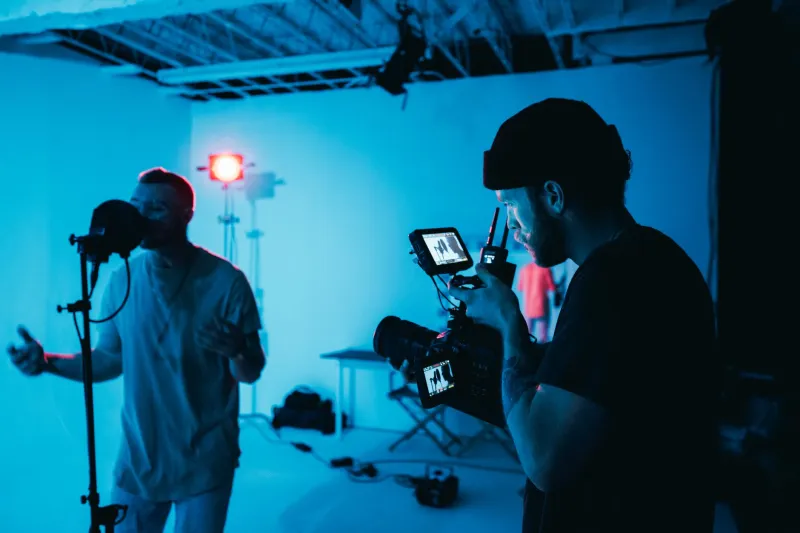
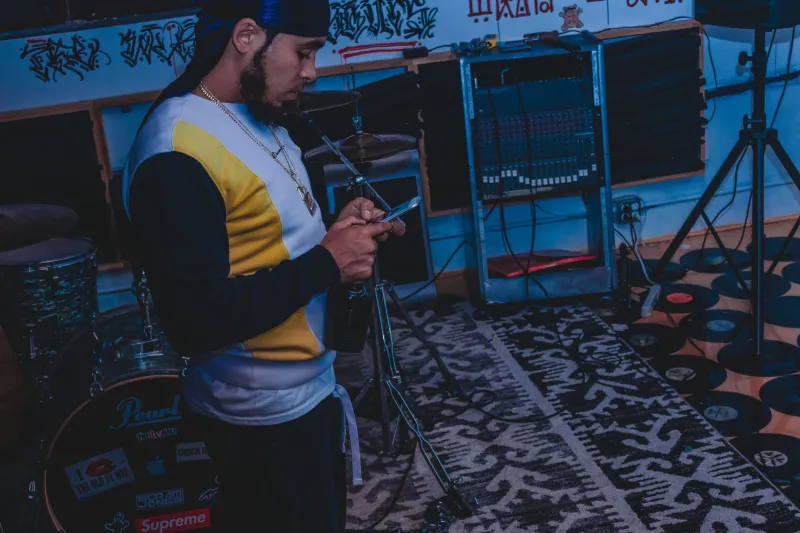
What streaming, social media, and direct-to-fan platforms have done is essentially remove the need for institutional permission at every stage of the creative process. You can record a track in your apartment and have it on every major streaming platform by the weekend. You can build a following of fifty thousand people without a single write-up in a traditional outlet. You can sell out a show in your city without a booking agent, a publicist, or a label deal.
The infrastructure of exclusion has been quietly dismantled, piece by piece, over the last fifteen years. And the results are genuinely extraordinary.
Consider the wave of independent artists who've emerged from cities like Houston, Detroit, and Atlanta — not through traditional label pipelines, but through SoundCloud drops, TikTok virality, and relentless community building. Artists like Kali Uchis, who built a fanbase through self-released mixtapes before any major label came calling. Or the entire ecosystem of bedroom pop and DIY rap that's produced some of the most commercially successful music of the last decade, almost entirely outside the traditional system.
"I never needed a label to validate my music," says Darius Cole, an independent hip-hop producer based in Detroit who's amassed over two million monthly streams without a single major label deal. "I needed an internet connection and something worth hearing. That's it."
The Chaos That Comes With the Freedom
But here's where it gets complicated. Because the collapse of gatekeeping hasn't just freed the talented and deserving — it's opened the floodgates to everything. And everything is a lot.
When there's no filter on who gets to put music out, who gets to promote events, who gets to declare themselves a tastemaker, the cultural landscape becomes simultaneously more democratic and more overwhelming. Attention is the scarce resource now, and the competition for it is brutal in ways the old system never was.
The traditional gatekeepers were often exclusionary and biased — absolutely. But they also performed a curation function that, however imperfect, helped audiences navigate an enormous amount of creative output. Without them, that navigation burden shifts entirely to the consumer, and to algorithms that have their own distortions built in.
Kira Washington, a nightlife promoter and cultural programmer in New York, has watched this play out in real time. "Everyone has a platform now, which is amazing. But it's also created a situation where the loudest voices aren't always the most interesting ones," she says. "The algorithm rewards consistency and controversy, not necessarily quality. So you get a lot of noise, and the genuinely brilliant stuff sometimes gets buried under it."
New Power Structures Rising From the Rubble
Nature abhors a vacuum, and so does culture. The old gatekeepers haven't disappeared entirely — they've been joined, and in some cases replaced, by a new class of cultural brokers. Playlist curators with millions of followers. TikTok creators whose endorsements can launch a song from obscurity to chart position in a week. Independent radio hosts and podcast creators who've built audiences that rival legacy media outlets.
The power hasn't evaporated. It's just been redistributed — often to people who look a lot more like the communities they serve, which is genuinely progress. But it's also been concentrated in new ways that carry their own complications. The playlist curator who can make or break a release has leverage that would have made an old-school A&R rep jealous.
And at the street level, in the venues and underground scenes and DIY spaces where city culture actually gets made, the democratization of access has created something genuinely exciting: a proliferation of micro-scenes, niche communities, and hyperlocal movements that never would have had the oxygen to develop under the old system.
What This Means for the City
For young artists, promoters, and creatives navigating urban culture right now, the takeaway is both empowering and demanding. The door is open. It has never been more open. But open doors don't walk you through — you still have to build something real, cultivate a real audience, and find ways to cut through the noise with genuine craft and strategic thinking.
The gatekeepers being gone doesn't mean the work is easier. It means the work is different. It means the relationship between creator and audience is more direct, more immediate, and more honest than it's ever been.
And for a city full of dreamers with something to say, something to make, something to share — that's not a problem.
That's the whole point.