Drop the 9-to-5 Mask: How Ambitious City Dwellers Are Building Empires Through Music
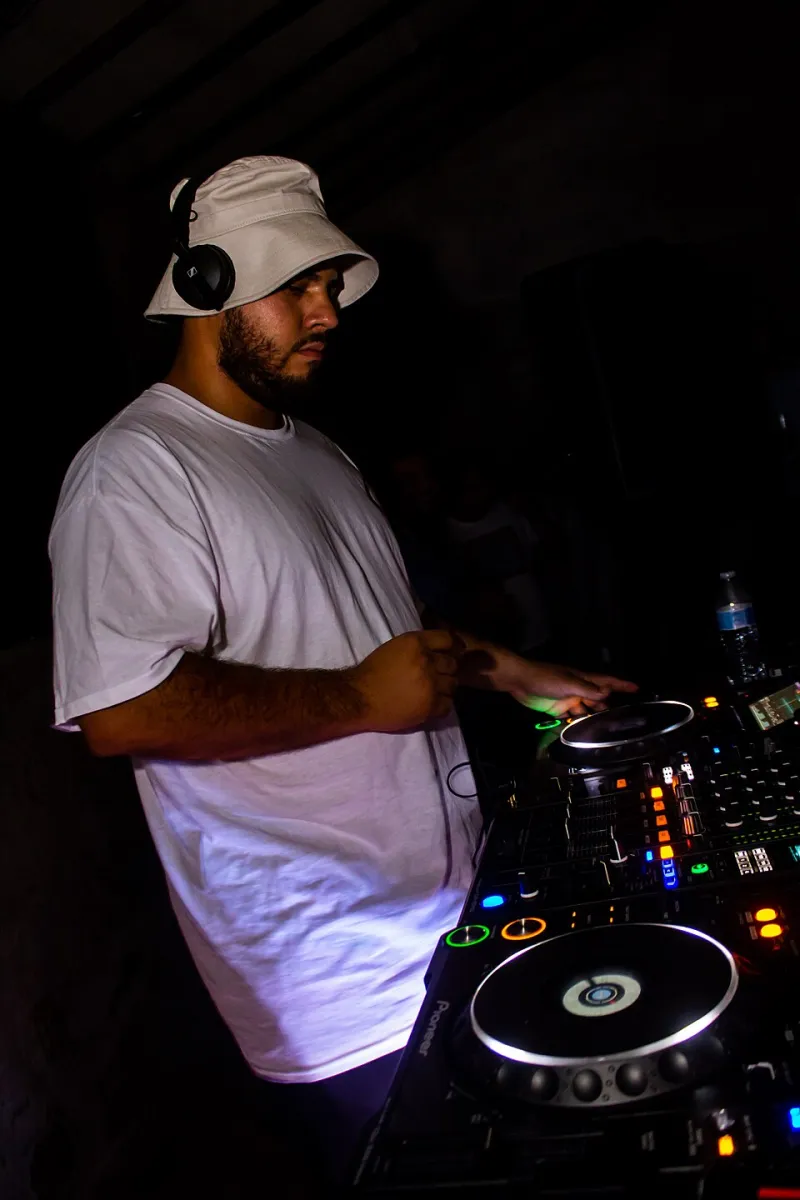
Sophia Chen doesn't sleep much. On Tuesday mornings, she's presenting quarterly projections to a room full of executives at a financial services firm in downtown Los Angeles. On Tuesday nights, she's behind the decks at a Silver Lake venue, reading a crowd of 300 like a novel she's already memorized.
"People at work have no idea," she says, laughing over coffee on a Wednesday afternoon that she's somehow making look effortless. "Well, some of them do now. But for a long time it was just — this is mine. This is the part of my life that's fully mine."
Sophia is 31. She has a master's degree in finance and a SoundCloud page with 40,000 followers. She is not an anomaly.
The New Hustle Has a Soundtrack
Across American cities — from Atlanta to Chicago to Seattle — a quiet revolution is underway. Young professionals with demanding day jobs are channeling their after-hours energy into the music industry, not as a hobby exactly, and not yet as a full-time career, but as something more complex and more compelling than either label covers.
They're DJing warehouse parties and upscale rooftop sets. They're producing beats in bedroom studios and licensing tracks to brands and content creators. They're booking artists for local venues, building event brands from nothing, and accumulating cultural capital in their cities one well-curated playlist at a time.
And they're doing it all while maintaining careers that would exhaust most people on their own.
The music industry — long mythologized as a world you either go all-in on or leave behind entirely — is being quietly reengineered by people who refuse that binary.
Why Music, Why Now
The timing isn't accidental. A convergence of factors has made music entrepreneurship more accessible than at any point in history.
Digital audio workstations like Ableton and FL Studio have democratized production to the point where a genuinely professional-sounding track can emerge from a $1,200 laptop setup in a studio apartment. Platforms like Beatstars, DistroKid, and Splice have created legitimate income pipelines for independent creators. And social media — particularly TikTok and Instagram Reels — has made it possible for a DJ or producer with zero label backing to build a real, engaged audience from scratch.
"The barrier to entry collapsed," says Jordan Reeves, 28, a UX designer in Atlanta who produces R&B and Afrobeats-influenced tracks under the name J.Reevsoul. "It used to be you needed a studio, you needed connections, you needed money. Now you need talent, consistency, and wifi. That's a completely different game."
Jordan earns roughly $2,000 to $3,500 a month licensing his beats to independent artists and content creators — a meaningful supplement to his design salary that he's been quietly growing for three years.
The DJ as Network Node
Among the various music-adjacent side hustles gaining traction in urban professional circles, DJing occupies a particularly interesting position. It sits at the intersection of performance, curation, and social connectivity in a way that few other roles do.
A skilled DJ in a city like Houston or Philadelphia or Denver isn't just a person playing music. They're a hub. They know venue owners, event promoters, artists, managers, and the kinds of tastemakers whose approval can make or break a new act's local credibility.
"Once you're behind the booth consistently, you become a connector," says Darius Park, 34, who DJs under the name PARK and works in brand strategy by day in New York. "Promoters call you. Artists want to know you. Brands want to sponsor your sets. The music is the entry point, but the network is the real asset."
Darius recently parlayed his DJ reputation into a consulting arrangement with a beverage brand launching a music-focused campaign — a deal that came entirely through connections made at late-night gigs, not through his marketing career.
Booking, Branding, and Building
Not everyone's path runs through the DJ booth. Some of the most influential music side hustlers in American cities are working behind the scenes — booking artists, developing event concepts, and building micro-brands that punch well above their weight.
Take Renata Flores, 27, a healthcare administrator in Chicago who launched a monthly live music series called Frequency out of a Logan Square bar two years ago. What started as a passion project showcasing local jazz and neo-soul artists now draws 200-plus attendees per event, has attracted sponsorship from a local distillery, and has become a genuine launchpad for emerging Chicago talent.
"I had no background in events when I started," Renata admits. "I just knew the music I loved wasn't getting the platform it deserved. So I built the platform."
Frequency generates revenue through ticket sales, sponsorships, and artist booking fees — enough that Renata is seriously considering whether it becomes her primary focus within the next two years.
The Practical Blueprint
For young professionals curious about entering the music ecosystem without abandoning their careers, the path forward is more navigable than it might appear. A few principles from people already doing it:
Start with your genuine taste. The side hustlers who build real credibility aren't chasing trends — they're deeply invested in a specific corner of the music world. Know your lane before you try to own it.
Treat it like a business from day one. Whether you're producing beats or booking shows, set up proper accounting, understand your licensing rights, and price your work like a professional. The hobbyist mentality is the ceiling.
Show up consistently. In music, presence is currency. Attending the right events, supporting local artists, and being a genuine part of your city's scene matters more than any single big break.
Leverage your day job skills. This is the underrated advantage. If you work in marketing, you understand audience building. If you're in finance, you can read a revenue model. These aren't separate worlds — they're complementary ones.
The Dream Within the Dream
For most of the people living this double life, the endgame isn't necessarily to abandon their professional careers. It's something more nuanced — to build a creative and financial foundation strong enough that the choice, when it comes, is theirs to make.
"I'm not trying to quit my job tomorrow," says Sophia Chen, who has started doing brand consultations for music venues in addition to her DJ residency. "I'm trying to build something where I have options. Where the music isn't just a release valve — it's a real part of my life with real value."
That's the city hustle in its truest form. Not choosing between who you are at 9 AM and who you are at midnight. But building a life where both versions of you are fully, unapologetically real.
The beat drops. The spreadsheet closes. The city doesn't sleep — and neither do its dreamers.