From Side Gig to Center Stage: How Young Hustlers Are Turning Passion Projects Into Full-Time Paydays

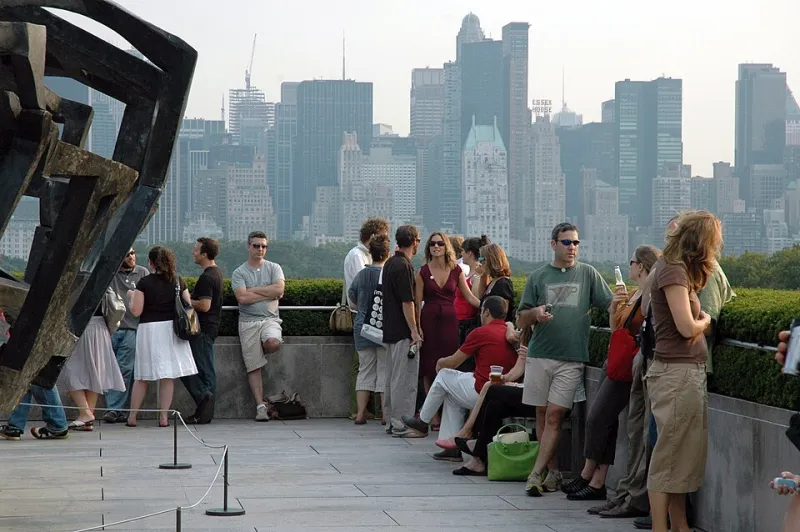
Photo: young entrepreneur DJ nightlife city rooftop hustle, via img.buzzfeed.com
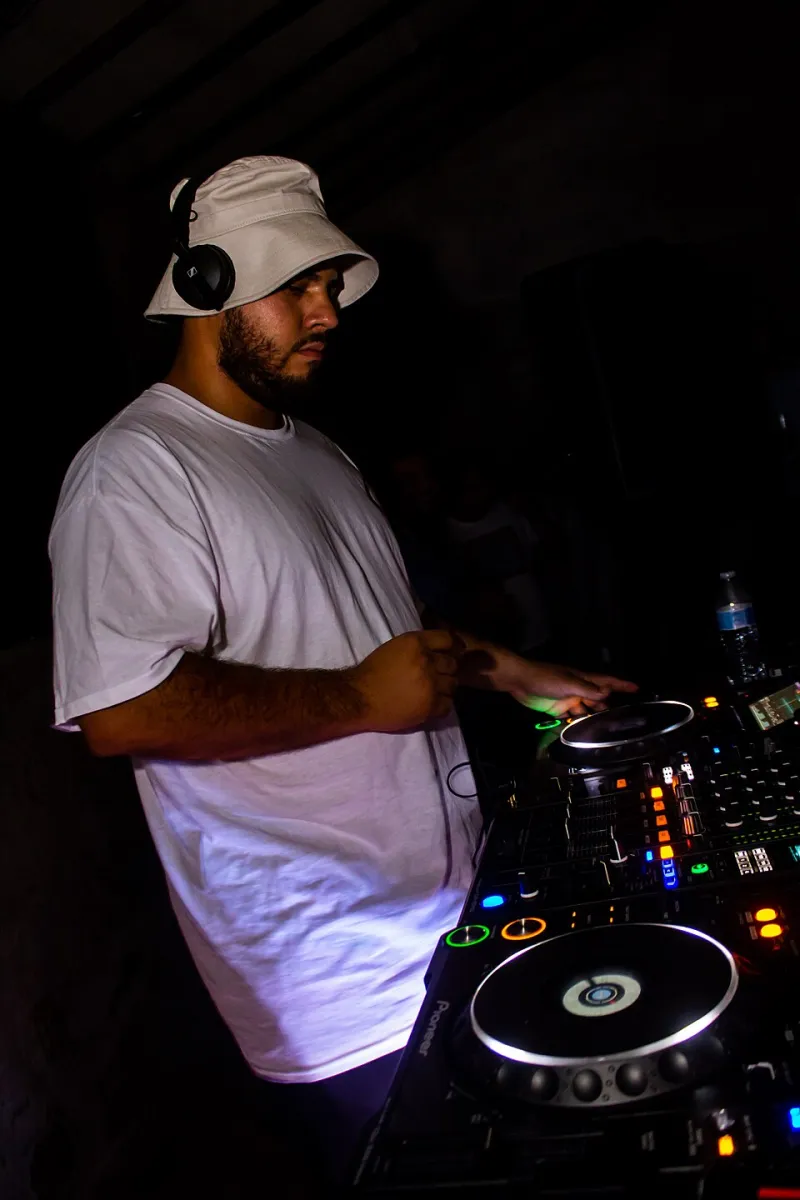
There's a moment every ambitious city person knows. You're sitting under fluorescent office lights at 2 p.m. on a Tuesday, and somewhere in the back of your mind, you're already calculating how many more Friday night DJ sets it would take to replace your salary. For a growing wave of young professionals across New York, Atlanta, Chicago, and Los Angeles, that mental math is no longer just a daydream — it's a business plan.
The gig economy gets a bad rap. Critics love to frame it as desperation dressed up in hustle culture language. But what's actually happening on the ground in America's major cities tells a far more interesting story. A new class of urban entrepreneur isn't falling into side work out of necessity — they're architecting parallel income streams with the same intentionality a startup founder brings to a pitch deck.
The Night Economy Is a Real Economy
Let's be clear about something: the money moving through city nightlife, creative events, and digital content is not small. The live events industry alone is projected to surpass $900 billion globally by 2030, and a significant chunk of that value is being generated and captured by independent operators who don't answer to a single employer.
Take Marcus Webb, a 29-year-old product manager in Chicago who started DJing private rooftop parties in Wicker Park three years ago. What began as a $200-a-night weekend side hustle now generates over $8,000 a month — enough that he's scaled back to part-time at his day job. "I stopped thinking of it as a side thing when I realized my Friday night rate was higher than my Thursday hourly," he says. "At that point, the math just changed."
Marcus isn't an outlier. He's a data point in a much larger pattern.
The Tools That Made the Transition Real
What separates this generation of hustlers from those who came before isn't just ambition — it's access. The platforms and tools available today have genuinely collapsed the barrier between passion and profit in ways that would've seemed absurd a decade ago.
Squarespace and Shopify let you launch a brand in a weekend. TikTok and Instagram Reels can turn a single viral moment into a client waitlist overnight. Eventbrite, Partiful, and Universe have democratized event production so thoroughly that a 24-year-old with a vision and a group chat can sell out a 200-person pop-up in 48 hours. And payment infrastructure like Square, Venmo Business, and Stripe means the money flows as fast as the ideas.
Jordan Reyes, a 27-year-old fashion designer based in Brooklyn, launched her streetwear label out of her apartment in 2021 while working full-time at a marketing agency. She used Instagram to build community, Depop to test price points, and eventually Shopify to scale. By 2023, her label was pulling six figures in annual revenue. She gave notice in March.
"The city gives you the energy," Jordan explains. "But the internet gives you the reach. You need both."
Mindset Is the Real Unlock
Here's the part nobody puts in the how-to threads: the hardest transition isn't logistical, it's psychological. Moving from employee to entrepreneur — even part-time — requires a fundamental rewiring of how you think about risk, time, and identity.
The most successful urban side-hustlers share a few mental frameworks worth stealing.
They treat their side income like a business from day one. That means separate bank accounts, tracked expenses, and quarterly self-assessments of what's working. No more treating gig income like bonus money to blow — it's revenue to reinvest.
They build in public. The city rewards visibility. Whether you're documenting your pop-up journey on Instagram Stories or networking at industry events, the people who grow fastest are the ones who make their work impossible to ignore.
They stack skills, not just dollars. Every DJ set teaches crowd reading. Every pop-up teaches logistics and vendor negotiation. Every content series teaches audience psychology. The hustle is a masterclass — if you're paying attention.
The Pop-Up as a Power Move
One of the most compelling entrepreneurial formats to emerge from urban hustle culture is the pop-up event. Equal parts retail, experience, and community gathering, pop-ups have become a proving ground for brands that eventually go permanent.
In Miami's Wynwood neighborhood, a collective of five creatives launched a monthly pop-up market called Wavelength in 2022. They rented a vacant warehouse space on weekends, curated local vendors, booked emerging musicians, and charged $10 at the door. Within six months, they had a sponsorship from a beverage brand and were grossing $15,000 per event. By year two, they'd signed a lease on a permanent space.
"We never asked permission," says co-founder Destiny Okafor, 31. "We just made it real and let the city respond."
The Content Creator Track
Not every hustle involves a physical space or a turntable. For a generation that grew up online, content creation has become one of the most accessible on-ramps to full-time entrepreneurship — and one of the most misunderstood.
The creators making real money aren't necessarily the ones with the most followers. They're the ones who've built the most loyal communities around a specific niche. City lifestyle content — restaurant reviews, nightlife guides, neighborhood explainers, fashion hauls — performs exceptionally well because it taps into the aspirational energy that urban audiences run on.
A creator with 40,000 highly engaged followers in a specific city can command $1,500 to $3,000 per sponsored post from local brands desperate to reach that exact audience. Multiply that across four to six brand partnerships a month, add affiliate income and digital products, and you've got a real business.
So What's the Move?
If you're sitting with a side hustle that's starting to feel bigger than "side," the framework is actually pretty simple: document everything, reinvest aggressively, and treat every opportunity like a portfolio piece. The city is full of people who are one viral moment, one sold-out event, or one right connection away from a completely different life.
The transition from passion project to primary income isn't a leap of faith — it's a series of calculated steps taken consistently over time. The night economy doesn't care about your job title. It only cares about what you bring to the table.
Bring something worth talking about, and the city will handle the rest.