Knock Twice: The Rise of Secret Bars and Hidden Speakeasies Redefining the After-Dark Scene
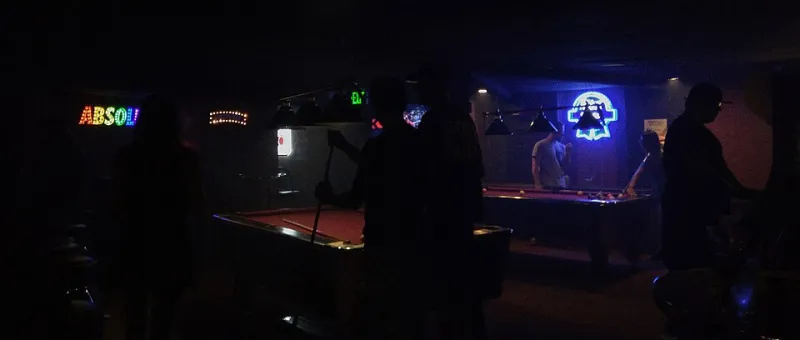
Photo: Weston Woodbury, CC BY 3.0, via Wikimedia Commons
The address is a phone number. The phone number leads to a text thread. The text thread asks you three questions. Answer correctly, and you get a cross street, a color, and a time window. Show up late, and the window closes. Show up without the right name, and the door — if you can even find it — stays shut.
Welcome to the new American speakeasy.
Across New York, Los Angeles, Miami, and Chicago, a quiet revolution is reshaping what it means to go out. Mainstream nightlife — the mega-clubs, the influencer-bait rooftop bars, the predictable cocktail menus — is losing its grip on the city's most discerning night owls. In its place, a network of hidden rooms, unmarked lounges, and invitation-only experiences is pulling the culture underground, and the people who've found their way in aren't exactly rushing to share the coordinates.
Why the Mainstream Got Left Behind
To understand the appeal of clandestine nightlife, you have to understand what it's reacting against. The mid-2010s ushered in an era of highly performative going-out — bottle service arranged for the 'gram, cover charges that felt like parking tickets, and DJ sets so loud that actual conversation became impossible. The experience was designed around visibility, not intimacy.
For a certain kind of city dweller, that got old fast.
"There's a fatigue with spaces that feel like they're performing at you," says nightlife consultant and former New York club promoter Simone Baxter. "People want to feel like they discovered something, not like they were funneled through a velvet rope machine."
The hidden bar movement answers that fatigue directly. These spaces are deliberately hard to find, intentionally small, and almost aggressively focused on the quality of the experience over the spectacle of it. The exclusivity isn't about status — it's about curation.
New York: The OG Underground
New York City has always had a parallel nightlife running beneath its official one, and the current speakeasy scene is just the latest chapter in a long tradition.
In the East Village and Lower East Side, a cluster of bars operate behind false walls, inside functioning businesses, and down staircases that look like they lead to storage rooms. One of the most whispered-about spots sits behind the back wall of a Vietnamese sandwich shop on a side street near Delancey. You order a bánh mì, make eye contact with the right person, and wait. The room behind holds maybe 40 people, serves three cocktails on rotation, and books jazz musicians who've played Carnegie Hall.
The model is intentional scarcity. No social media presence, no Yelp page, no Google listing. The only marketing is word of mouth — which, in a city of eight million people, turns out to be more than enough.
For those looking to crack the code in NYC, the entry points are usually through music communities, art world adjacent networks, and the kinds of group chats that don't have a public invite link. Showing up to the right gallery opening or underground jazz night is often the first door that leads to the next one.
Los Angeles: Invitation-Only, Desert Minimalism
LA's version of the hidden bar scene has its own distinct flavor — less East Coast speakeasy, more architectural secret. The city's sprawling geography means these spaces aren't clustered in a single neighborhood; they're scattered across Silver Lake, Highland Park, and the edges of Downtown, often housed inside converted industrial buildings or behind the facades of entirely ordinary-looking storefronts.
Member-only clubs in LA lean hard into the idea of a "third space" — somewhere between home and work, with the energy of neither. One particularly coveted spot in the Arts District operates on a rotating membership model: 200 members at a time, annual dues, and a waiting list that's been closed for over a year. The space hosts live music nights — mostly experimental jazz, ambient electronic, and the occasional acoustic set from a name you'd recognize if we could print it — alongside communal dinners and what members describe as "conversations worth having."
The vibe is less about exclusion and more about intentional community. The music programming is genuinely adventurous. And the fact that it doesn't show up on any map is part of the point.
Miami: Neon on the Outside, Candlelight Within
Miami's nightlife reputation is all about excess — and that reputation is exactly what its underground scene is quietly subverting.
Behind the high-decibel EDM clubs and bottle-service spectacles of South Beach, a more intimate circuit has been growing in Wynwood, Little Haiti, and the edges of Brickell. These spots tend to operate on a semi-legal gray area — private event spaces that host "members" rather than customers, curated music programming that leans toward Afrobeats, Latin jazz, and live reggaeton, and an aesthetic that feels more like a Havana living room than a Miami nightclub.
Access in Miami is heavily relationship-driven. The local creative community — artists, musicians, independent designers — functions as the connective tissue. Get embedded in that world, and the invitations start arriving. Show up to the right warehouse art show on a Saturday, and someone will mention something happening later that you absolutely should not miss.
Chicago: Blues Roots, New Branches
Chicago's underground bar scene carries the weight of the city's musical history — blues, house, gospel, jazz — and that lineage shapes everything about how these spaces feel and function.
In neighborhoods like Pilsen, Bronzeville, and parts of the North Side, a network of informal listening rooms and after-hours clubs operates in the tradition of the city's legendary blues houses. These aren't nostalgic recreations — they're living, breathing spaces where the music is the point, the drinks are secondary, and the conversation runs deep.
One Bronzeville spot, accessible only through a neighborhood barbershop that closes at 8 p.m., has hosted some of the most talked-about live sets in the city over the past two years — none of which have ever been announced publicly in advance. You hear about it after, from someone who was there, who tells you how to get on the list for next time.
How to Actually Get In
So what's the playbook for cracking the clandestine bar circuit in your city? A few principles hold across every market.
Embed yourself in the creative community. These spaces aren't hiding from everyone — they're hiding from the wrong kind of everyone. Show up to gallery openings, independent music shows, and community events with genuine curiosity, not a phone in your face.
Follow the music. Underground bars and the underground music scene are deeply intertwined. The people booking the most interesting live music in your city almost certainly know where the best hidden rooms are.
Be a good guest before you're a member. These communities run on trust and reputation. The fastest way to get locked out permanently is to overshare, screenshot, or treat someone's private space like content.
Ask the right people the right way. Not "do you know any secret bars" — that's a tourist question. More like: "I'm trying to find rooms with serious music programming and a smaller crowd. Any thoughts?" That signals you understand what you're actually looking for.
The city has always had its hidden rooms. The ones who find them aren't necessarily the most connected or the most famous — they're the ones paying close enough attention to notice the door that everyone else walks past.